Yesterday we began the work of implementing A Call to Mercy’s sponsored Orphan project with Project Hope. We rode by motorbike into the surrounding villages visiting schools and mud hut homes. Our visits to the schools with Project Hope staff was to introduce the new program to the teachers and principals. They will receive a notice from the ministry of education, who has agreed to help by sending a form to all nearby schools asking teachers for their assistance in identifying the most needy children. All children in this community are vulnerable. Identifying the most vulnerable children will be done systematically through home interviews. Project Hope staff and volunteers will go to the homes to interview the parent or caregiver and rank the specific needs of the children living there. Ultimately 300 will be selected based on those rankings. We visited 4 homes yesterday where vulnerable children were known to the PH staff because of the HIV status of their mothers. Some of the children also were HIV positive. We witnessed the interview process and met some of the children who will surely be selected to receive help from CTM through Project Hope. The day was filled with sadness and hope. The prolific poverty and conditions that people survive in is truly humbling. We felt honored to be welcomed into their homes. Click any image to go to Gallery Mode.
-

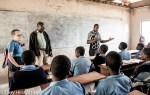
- Visit to school in remote mountain village.
-

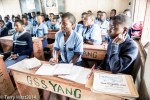
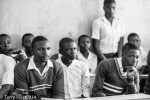
- Visiting a school in a remote village. The children were a bit wary of us at first.
-

- Pre-School children. Many of these will be identified by Project Hope as eligible for our sponsorship.
-

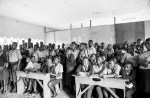
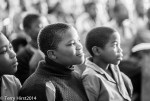
- Children at nearby school.
-
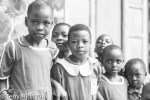
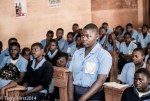
- Children at school in village.
-

- School children gather for a picture with PH staff.
-
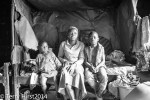
- Chialinda and her two sons live in a one room mud brick home. She is a widow and is HIV positive. She also takes care of her sick grandmother who is in her late 80’s.
-

- Chialinda’s grandmother, in her late 80’s lies ill in bed. In this room there are 4 beds and a fire pit in the middle of the room.
-
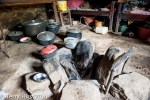
- Fire pit in the middle of room. This one is safer because of the large stones. Many children are burned in accidents by home cooking fires.
-
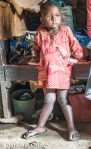
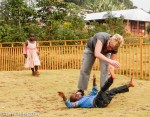
- This young boy falls when he runs because of the deformity of his legs. Receiving healthcare through our project will identify him as a candidate for free leg surgery when the doctors from Holland arrive in April.
-

- The warmth and smiles of this family is a testament to the resilience of the people of Njinikom. Notice the paper insulation, which keeps the rain out during the rainy season. These homes have no electricity or running water. They are quite dark with light coming only from the door and one window.
-
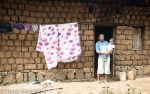
- This is Hycentha Mambu and Simone. She is a widow and HIV positive. Hycentha has stopped using her free meds because she cannot afford the lab tests that must be done every 3-4 months in order to determine if the meds are working. She was self-employed selling produce from a cart until recently when she was hit by a car while walking home in the dark. She lost her cart and was in the hospital for 4 weeks. She now walks with noticeable pain.
-

- Project Hope’s JonBennet conducts home interview.
-
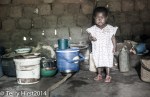
- Simone standing in her one room home. She will be selected as one of the recipients of the Orphan and Vulnerable Children Project that we are sponsoring.
-
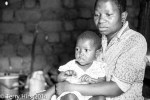
- Hycentha and daughter, during interview by PH staff.
-
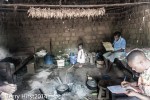
- Hycentha looking for her daughters birth-certificate.
-
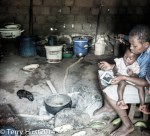
- There were many rodents scurrying around in this home. We were later told that she kills them and feeds herself and her child. “Protein”.
-

- Both mother and child marvel at the poloroid picture that Carol has taken of them.
-
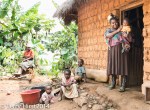
- This is Bridget Mabi, her mother and two of her children. She is a widow, and is HIV positive as is her eldest daughter. During the day, many children from nearby come to her home while their parent work the fields in the mountain.
-

- Child at home visit. She is one of the children we will be sponsoring.
-

- Children at home visit. These children are not in school because their parent cannot afford the fees.
-
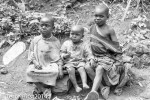
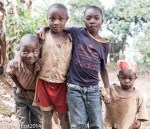
- Three children who will be identified as most vulnerable. These are the children who will benefit from donations to A Call to Mercy.
-
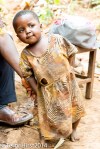
- Child at home visit. She is one of the children we will be sponsoring. She has bent legs and will benefit from receiving healthcare. Through that program she will be identified as a candidate for free surgery when the docs from Holland come in April.
-
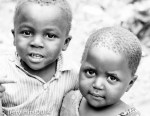
- Siblings at a home visit.
-
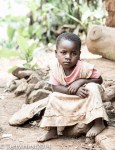
- Child at home visit. She is one of the children we will be sponsoring.
-
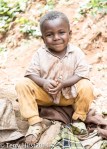
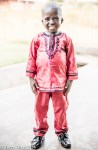
- This little charmer could be President one day.

















 terry hirst's blog